
 Stop shipping `isPaid: true`
Stop shipping `isPaid: true`
Most payment bugs are vocabulary bugs. Accepted is not confirmed. Confirmed is not settled. The three-state model this blog starts from — and why your boolean is lying to finance.
Support closed the ticket. The app showed green. Finance opened Monday's settlement file and three rows were missing.
Nobody lied. Your schema did.
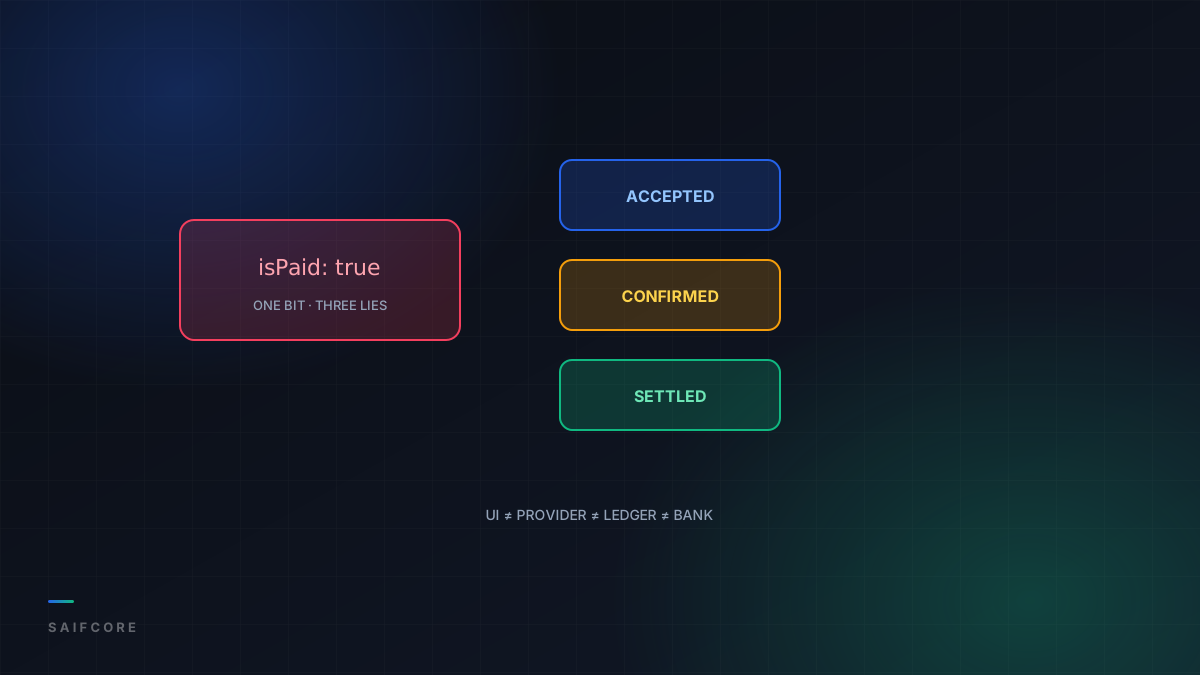
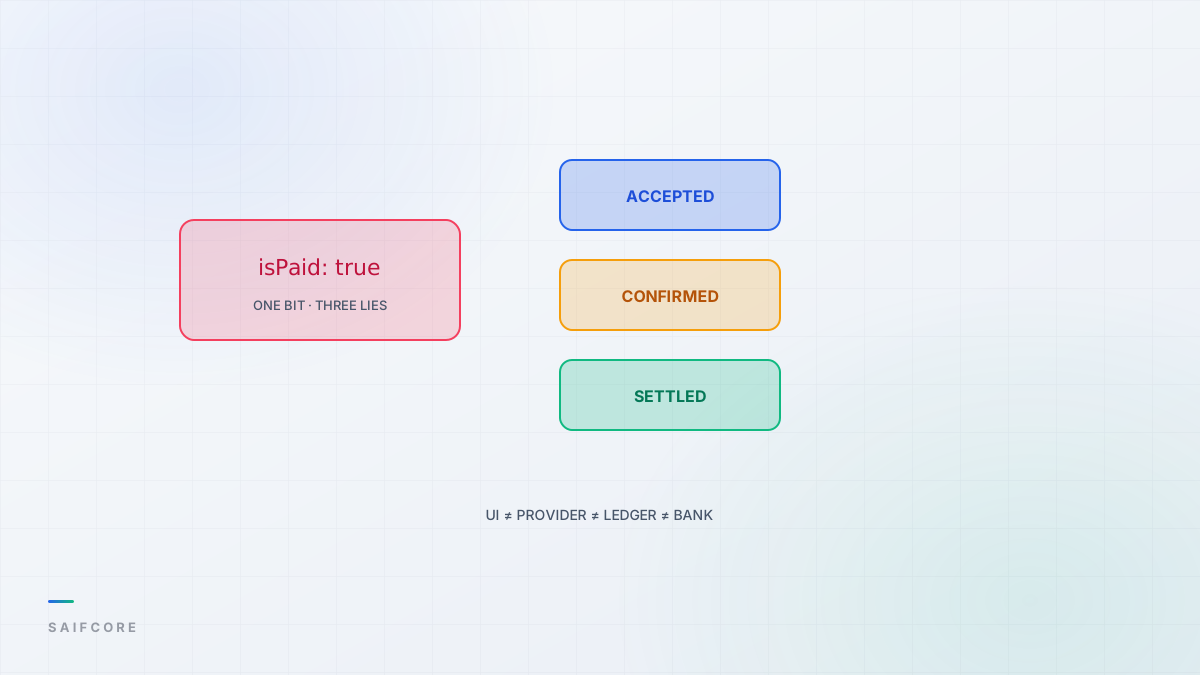
isPaid: true collapses three different moments into one bit. That bit is enough for a demo. It is not enough for a ledger, a dispute, or an auditor.
Three states, not one boolean
| State | What actually happened | What you may show the user |
|---|---|---|
| Accepted | Provider took the request; debit may still fail | "Processing…" |
| Confirmed | Wallet / card hold succeeded; float moved | "Paid" — with an asterisk ops owns |
| Settled | Batch / bank file closed the loop | Revenue finance will recognize |
Card rails call these auth → capture → settlement. Mobile money often hides them behind one callback named SUCCESS. Same money. Same trap. Different names.
If your domain model has a single boolean, you will eventually lie to at least one audience: the customer, support, or finance.
Why this is the entry point
This blog exists for teams that move money in markets where callbacks are late, providers are slow-not-down, and "it worked in staging" means nothing across eleven subsidiaries.
The rest of the catalog is the same thesis, applied:
- The callback that said
SUCCESS— Friday Paid. Monday the row was gone. - The retry storm that almost paid a merchant twice — idempotency as a business key
- Payment gateway system design — auth → capture → settle → payout end to end
- Stop defaulting to microservices in West African fintech — ops headcount before service diagrams
The rule that survives every rail
UI copy ≠ provider status ≠ ledger truth ≠ bank settlement
Map each of those to an explicit state. Persist transitions. Reconcile on a schedule. Never let a spinner invent certainty.
Ship states finance can defend. Booleans are for feature flags — not for money.
The sequel is what happens when you ship the three states and still copy the provider's word: The callback that said SUCCESS.